
Emergency power supply
for the IT in your company
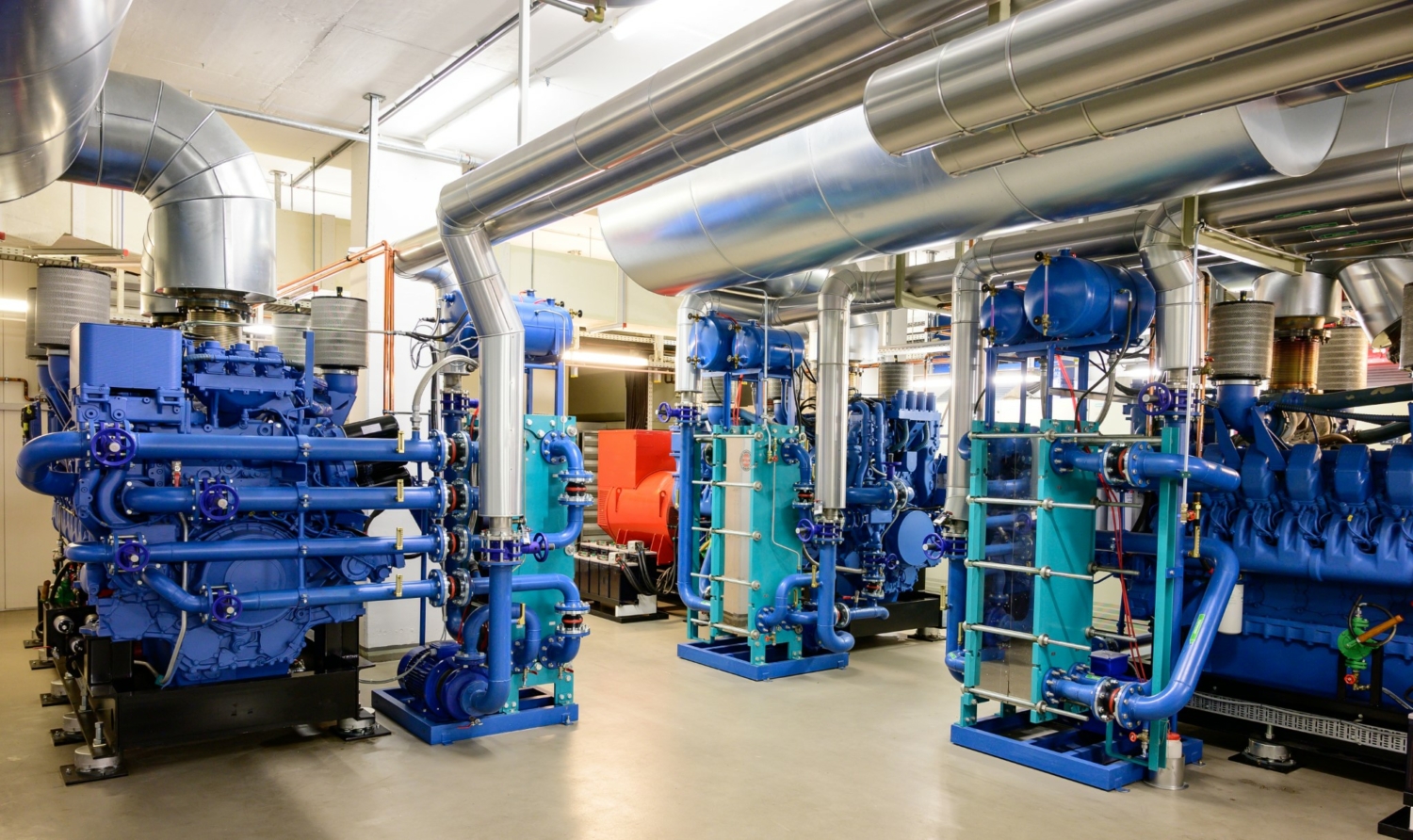
Since the war in Ukraine, the energy market has been turned upside down. We too have already received very concrete price increases of up to over 100 percent. But it is not only energy costs that have risen disproportionately; concerns about security of supply are also growing, which is certainly even more problematic for many companies. We want to shed light here on one part of this, the emergency power supply.
Table of contents:
Failures in security of supply
At the latest since even the government has announced that we should prepare for possible failures in the gas and electricity supply, ZDF report on the topic Government recommends emergency generators for companies, it should be clear to everyone that the security of supply we have been used to so far may well not continue as before in the future.
So as a managing director, you should now at the latest be addressing the question: what happens if gas and/or electricity fails? As managing directors, it is incumbent on us to be aware of the dangers and to make appropriate preparatory decisions to avoid or mitigate them.
UPS and emergency power
In the short term, purchasing UPS solutions and emergency generators is certainly the simplest and most affordable solution. In the medium term, a photovoltaic system with a storage system (and possibly an emergency generator here too) could not only reduce energy costs in ongoing operations, but also guarantee an emergency power supply in the event of an emergency. In the long term, even a solution in combination with a CHP unit is conceivable, which could provide heat in addition to electricity.
Which IT systems should be supplied with emergency power
Here it should be planned in advance whether only an absolutely necessary “core” is to be supplied with emergency power. It must then be ensured that every component required for its operation is also supplied with emergency power. Under certain circumstances, this can also be a small switch that is not located directly at the server or client. As a basic rule: safety systems must be checked and tested regularly to ensure that they also work quickly and smoothly in an emergency.
How long should an emergency power supply bridge
The first step here is to determine whether only a short power failure or a blackout lasting several hours or even days is to be bridged. However, as soon as a bridging time of more than one hour is required, there is hardly any way around emergency generators running on fossil fuels.
What does an emergency power supply for IT systems cost?
The cost factor depends on the duration and scope of the emergency power supply and ranges from a few hundred euros (UPS) to many thousands of euros. As a basic rule, the more systems and the longer they are to be bridged, the more expensive the systems become. Tip: In some cases, it can be financially more worthwhile to migrate on-premise systems directly to cloud systems and thus avoid cost-intensive emergency power systems.
Does cloud computing make you more independent in a crisis?
Yes. Data centres are designed from the ground up to function autonomously for several days. In addition, they usually also allow location-independent use, so that further dependencies are eliminated (traffic, heating in the office, curfews…).
Planning an emergency power supply properly
Good planning should not be underestimated here! It must be borne in mind that emergency generators are often not designed for continuous operation, and planning which circuits or devices are to be supplied with emergency power is, alongside the general size of such a system, just one example of the decisions that have to be made. In addition, the current long delivery times often present an additional challenge.
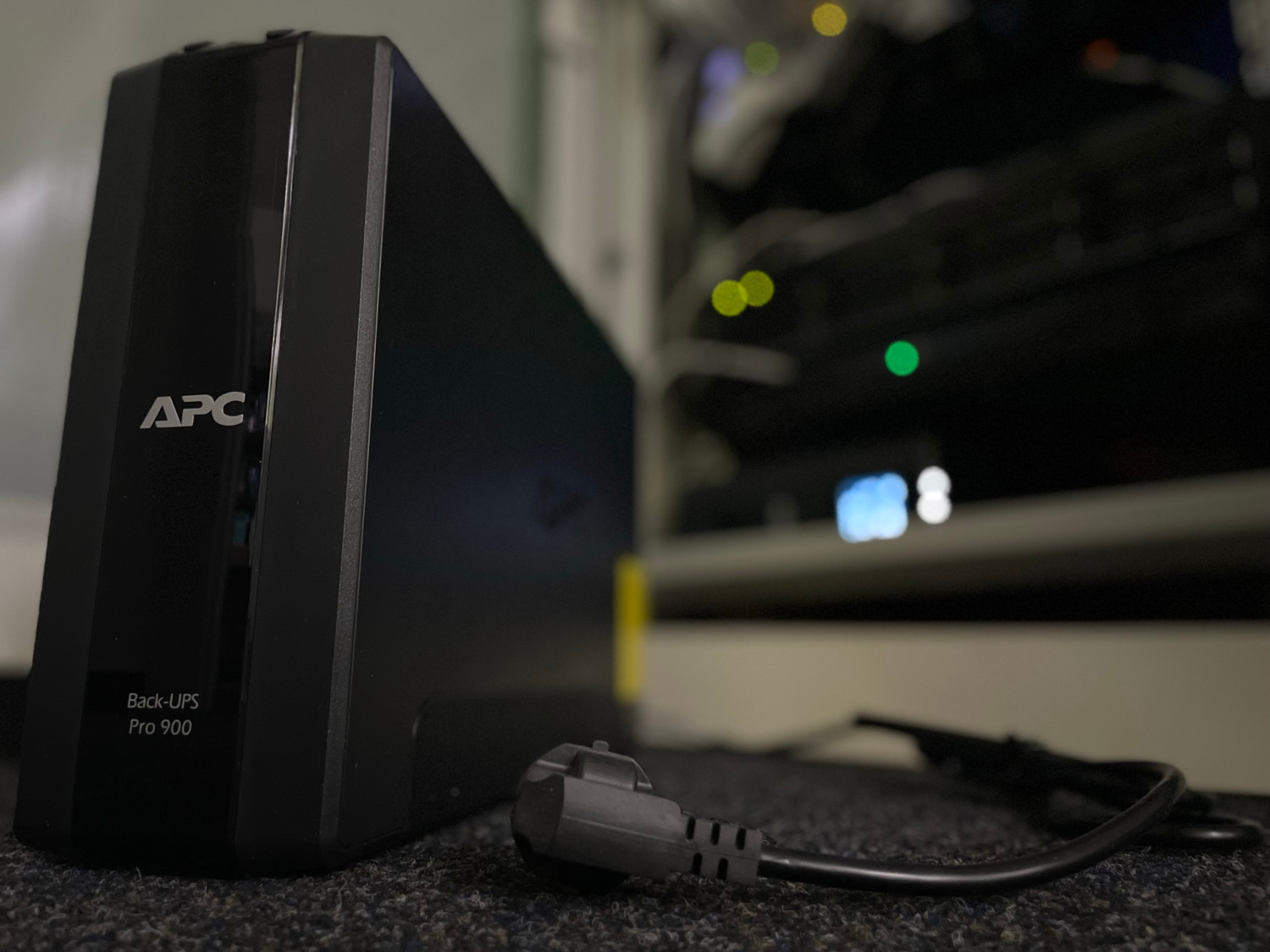
IT in particular is of special importance in the event of failures, and here too you need to ask yourself questions such as: which systems do you want to keep running, and for how long, if the power grid is unavailable or only unreliably available? Can the business as a whole even be operated on emergency power? If not, do I still need continued supply for the server systems and possibly individual workstations in order to keep the administration operational?
We ourselves cannot offer you IT emergency power systems. However, we can help with planning and, if necessary, work out a suitable solution together with you and other partners. Call us and find out more about the options for your company.